Pods in Post-Disaster Rescue Operations
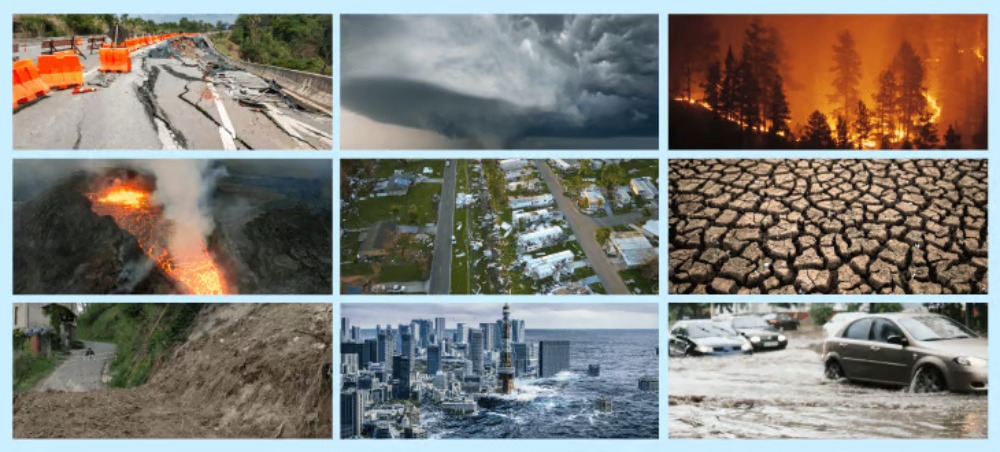
In post-disaster scenarios, the rapid and efficient assessment of damage is critical for saving lives and facilitating timely aid. Pods, equipped with cutting-edge sensors and imaging technologies, play an indispensable role in disaster response by enabling fast, comprehensive aerial surveys, even in complex and hazardous environments.
Key Applications of Pods in Disaster Response:
1. Damage Assessment and Mapping
Pods integrated with high-resolution cameras and LiDAR sensors enable the rapid capture of aerial imagery and the generation of 3D maps of affected areas. This data is crucial for assessing the extent of damage to infrastructure, buildings, and roads, helping rescue teams prioritize response efforts based on up-to-date, real-time information.

2. Thermal Imaging for Victim Detection
Equipped with thermal imaging sensors, pods can detect heat signatures from survivors trapped beneath rubble or in low-visibility conditions. These infrared sensors aid in pinpointing live individuals, even through smoke or debris, thereby significantly enhancing the speed and effectiveness of search and rescue operations.
3. Search and Rescue Operations
In the wake of disasters such as floods, earthquakes, or fires, pods outfitted with high-definition cameras and advanced thermal sensors can perform detailed searches in areas that are otherwise inaccessible or too dangerous for human teams. By transmitting live video feeds, pods allow rescue teams to identify hazards and assess areas where intervention is most urgently needed.
For more details, please click the link: Pods in Post-Disaster Rescue Operations
Highly Recommended
AT9-50 Dual IR 5x Thermal Zoom FOV Flexibility Gimbal Camera


Comments
Post a Comment